Book Appointment Now

8 French-Speaking Countries Near Ghana — And Why Learning French Matters
Quick Reference: Regional Francophone Network at a Glance
| Country | Direct Ghana Border? | Capital / Commercial Hub | Key Economic Opportunities & Sectors |
| Côte d’Ivoire | Yes (West) | Yamoussoukro / Abidjan | Agriculture, banking, transport, logistics, trade, OHADA law. |
| Togo | Yes (East) | Lomé | Import/export corridor, shipping, logistics, customs. |
| Burkina Faso | Yes (North) | Ouagadougou | Cross-border trade, agriculture, mining, logistics. |
| Benin | No (Regional) | Porto-Novo / Cotonou | Coastal shipping, regional trade corridor, OHADA law. |
| Mali | No (Regional) | Bamako | Mining, agriculture, regional trade, OHADA law. |
| Niger | No (Regional) | Niamey | Energy, infrastructure, mining, regional logistics, OHADA law. |
| Senegal | No (Regional) | Dakar | Finance, technology, media, development agencies, OHADA law. |
| Guinea | No (Regional) | Conakry | Mining, infrastructure, engineering, investment, OHADA law. |
Understanding Ghana’s Francophone Environment
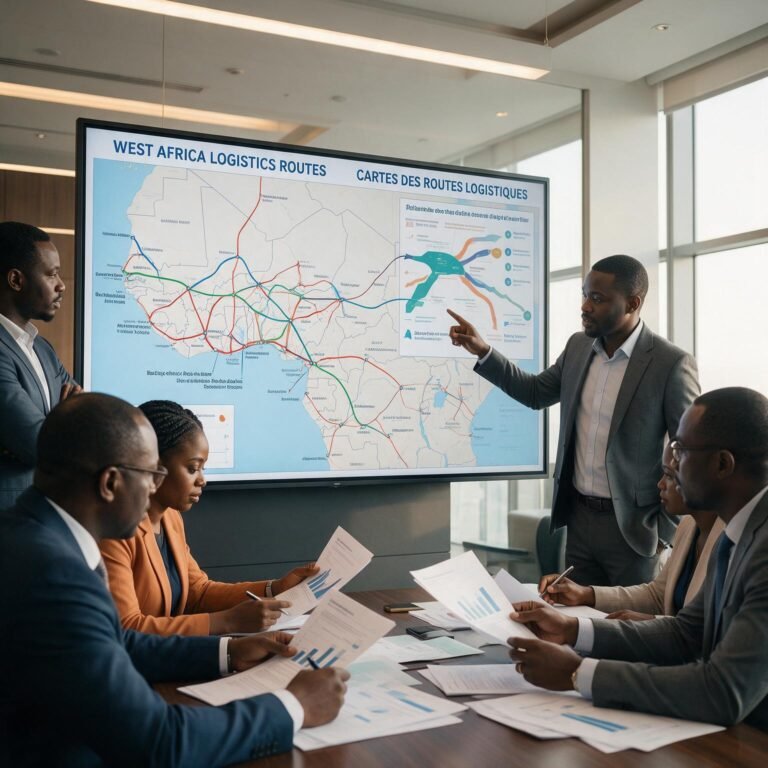
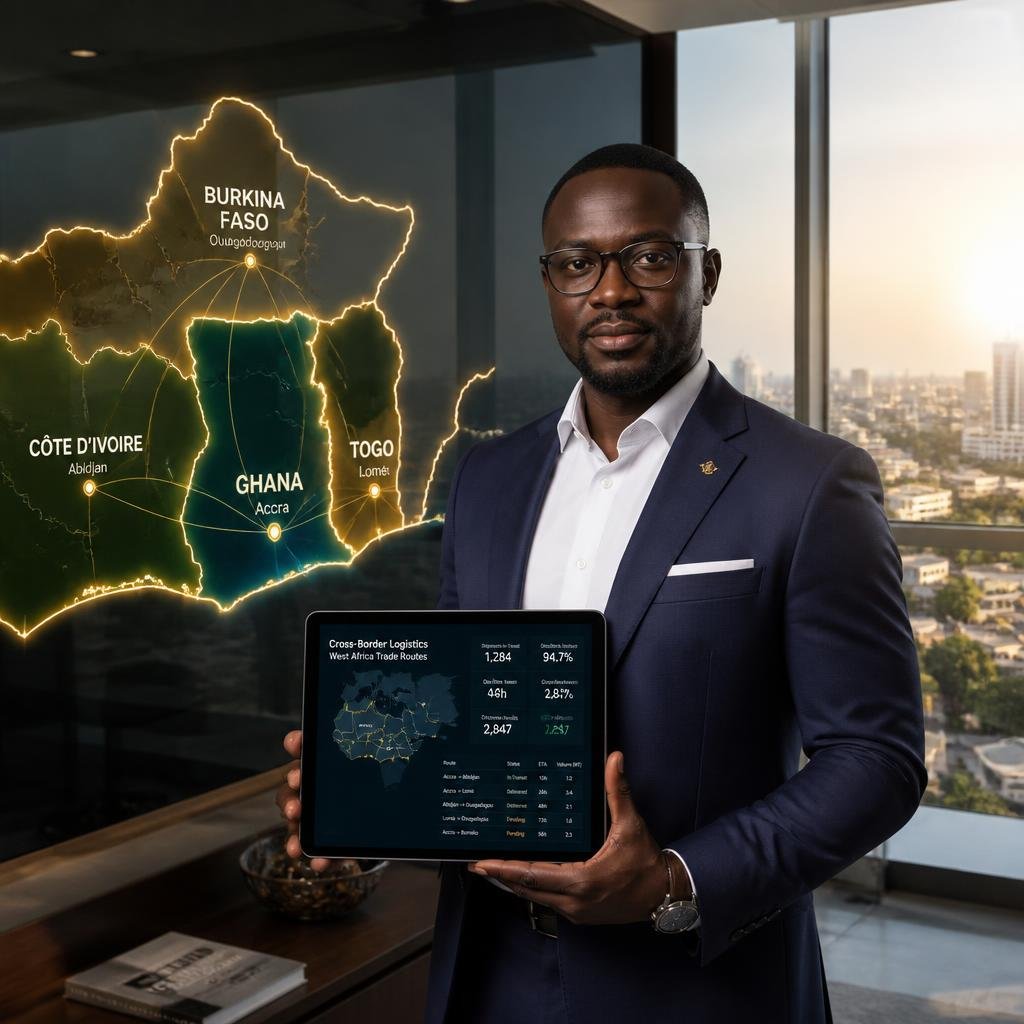
Ghana occupies a unique geographic position in West Africa. As an English-speaking nation, Ghana is directly bordered by three French-speaking countries: Côte d’Ivoire to the west, Togo to the east, and Burkina Faso to the north. Consequently, any Ghanaian enterprise expanding across land borders immediately enters a Francophone territory.
                 ┌──────────────────────────────────────────────┐
                 │    Ghana's 3 Direct Francophone Borders      │
                 └──────────────────────┬───────────────────────┘
                                        │
         ┌──────────────────────────────┼──────────────────────────────┐
         ▼                              ▼                              ▼
┌─────────────────┐            ┌─────────────────┐            ┌─────────────────┐
│ Côte d'Ivoire   │            │  Burkina Faso   │            │      Togo       │
│  (West Border)  │            │ (North Border)  │            │  (East Border)  │
└─────────────────┘            └─────────────────┘            └─────────────────┘
Furthermore, Ghana’s commercial reach extends well beyond its three immediate borders. Five additional French-speaking nations—Benin, Mali, Niger, Senegal, and Guinea—form an integral part of Ghana’s broader regional commercial and diplomatic network. Therefore, understanding both direct neighbors and wider network markets gives Ghanaian professionals a decisive strategic edge.
The 3 Direct Francophone Neighbors of Ghana
1. Côte d’Ivoire (Western Border)
- Capital & Commercial Hub: Yamoussoukro (Capital) / Abidjan (Commercial Center).
- Commercial Relevance: Côte d’Ivoire represents Ghana’s primary commercial partner in the Francophone zone. The two nations maintain vital economic ties in agriculture, trade, banking, finance, transport, and regional logistics.
- Why French Matters: Abidjan serves as a major financial and institutional hub for West Africa. In addition, Côte d’Ivoire is an active member state of OHADA (Organisation for the Harmonisation of Business Law in Africa). Consequently, direct French fluency allows Ghanaian professionals to navigate Ivorian regulations, contracts, and supplier negotiations without third-party delay.
2. Togo (Eastern Border)
- Capital: Lomé.
- Commercial Relevance: Togo shares Ghana’s eastern border and hosts the Port of Lomé, a critical logistics and transit hub for West Africa. World Bank trade statistics confirm strong, ongoing trade volumes between Ghana and Togo.
- Why French Matters: For logistics specialists, freight forwarders, and cross-border traders operating along the Accra-Lomé corridor, French facilitates smooth customs clearances, contract execution, and vendor relations.
3. Burkina Faso (Northern Border)
- Capital: Ouagadougou.
- Commercial Relevance: Burkina Faso connects directly to northern Ghana, fostering robust cross-border trade in agriculture, livestock, and mining-support services.
- Why French Matters: Professionals and development workers serving northern commercial routes rely heavily on French to coordinate transportation, agricultural supply chains, and cross-border regulatory compliance.
5 Key Francophone Countries in Ghana’s Regional Network
While these five countries do not share a land border with Ghana, they form a crucial part of the broader West African commercial ecosystem:
- Benin (Cotonou / Porto-Novo): Positioned along the eastern trade route past Togo, Benin is a vital hub for import/export, wholesale trade, and regional supply chain logistics.
- Mali (Bamako): A landlocked market featuring major agricultural and gold mining sectors. As an OHADA member state, Malian commercial frameworks require official documentation in French.
- Niger (Niamey): A strategic market for regional infrastructure, energy projects, and logistics networks across the Sahel.
- Senegal (Dakar): Dakar is one of Francophone West Africa’s chief financial, technological, and media capitals. It serves as a regional headquarter location for international NGOs and multinational corporations.
- Guinea (Conakry): Renowned for extensive mineral reserves, Guinea attracts international engineering, mining, and infrastructure investment.
Strategic Reasons Ghanaians Benefit from Learning French
1. Seamless Regional Expansion
When a Ghanaian business expands internationally, its natural progression leads through Togo, Benin, Côte d’Ivoire, and Burkina Faso. Rather than mastering multiple local dialects, French provides a single, unified business language across all these territories.
2. Navigating the OHADA Legal Framework
The Organisation for the Harmonisation of Business Law in Africa (OHADA) governs business law across 17 West and Central African nations, including all eight countries highlighted above. Specifically, because OHADA laws and court filings are standardized in French, bilingual legal and finance professionals are indispensable for regional compliance.
3. Maximizing the AfCFTA Advantage
With the African Continental Free Trade Area (AfCFTA) Secretariat headquartered in Accra, Ghana sits at the center of continental trade integration. Accordingly, trade policy experts, logistics directors, and corporate leaders who combine English and French command premium positioning in AfCFTA-aligned roles.
4. Multilingual Institutional Roles
Regional bodies like the Economic Community of West African States (ECOWAS) conduct official business in English, French, and Portuguese. Therefore, candidates with bilingual fluency gain immediate priority for diplomatic, development, and administrative appointments.
CEFR Roadmap: How Much French Do You Need for Business?
Achieving professional competency does not require years of study. The Common European Framework of Reference for Languages (CEFR) outlines clear stages of mastery:
1.A1–A2: Foundational French:6–8 Weeks of Study.
Master essential greetings, daily interactions, basic travel navigation, and simple customer service phrases.
2.B1: Working Communication:3–5 Months of Study.
Manage predictable workplace interactions, comprehend routine meetings, and write straightforward business emails.
3.B2: Professional French (Recommended Target):6–12 Months of Study.
Participate independently in executive discussions, negotiate contracts, write detailed reports, and manage client portfolios.
4.C1: Advanced Operational French:12–24 Months of Study.
Deliver complex presentations, handle legal/academic nuances, and engage effortlessly in high-level institutional diplomacy.
Frequently Asked Questions
Does Ghana border eight French-speaking countries?
No. Ghana directly borders three French-speaking countries: Côte d’Ivoire, Togo, and Burkina Faso. Five other countries (Benin, Mali, Niger, Senegal, and Guinea) form part of Ghana’s broader regional trade network but do not share direct land borders.
Why is B2 considered the optimal level for business professionals?
Level B2 allows professionals to operate independently in professional settings—enabling them to write corporate correspondence, conduct negotiations, and participate in meetings without relying on translators.
Is French necessary for jobs at the AfCFTA Secretariat in Accra?
While not every entry-level role mandates French, bilingualism in English and French provides a distinct competitive advantage for policy, trade, and administrative positions within AfCFTA and ECOWAS.
Start Your Professional French Journey Today
Whether you are expanding your enterprise across West African borders, preparing for DELF/DALF certifications, or seeking senior roles in international organizations, structured language training ensures rapid progress.
At Kasa De Lengua Limited, we offer tailored French programs designed specifically for working adults, corporate teams, and students:
- Starter French (A1–A2): Comprehensive beginner courses.
- Professional French (B1–B2): Workplace-focused communication and business writing.
- Advanced French (C1): Executive fluency and institutional preparation.
- DELF & DALF Preparation: Targeted coaching for lifetime international certifications.
Classes are available in person at our training center in Sakumono, Tema, or fully online via interactive Zoom and Google Meet sessions.
➡ Enroll in a French Course Today →
- 📞 Phone / WhatsApp: +233 50 761 5215 | +233 24 258 7189
- 📧 Email: support@kasadelengua.com
- 📍 Location: Sakumono, Tema, Ghana